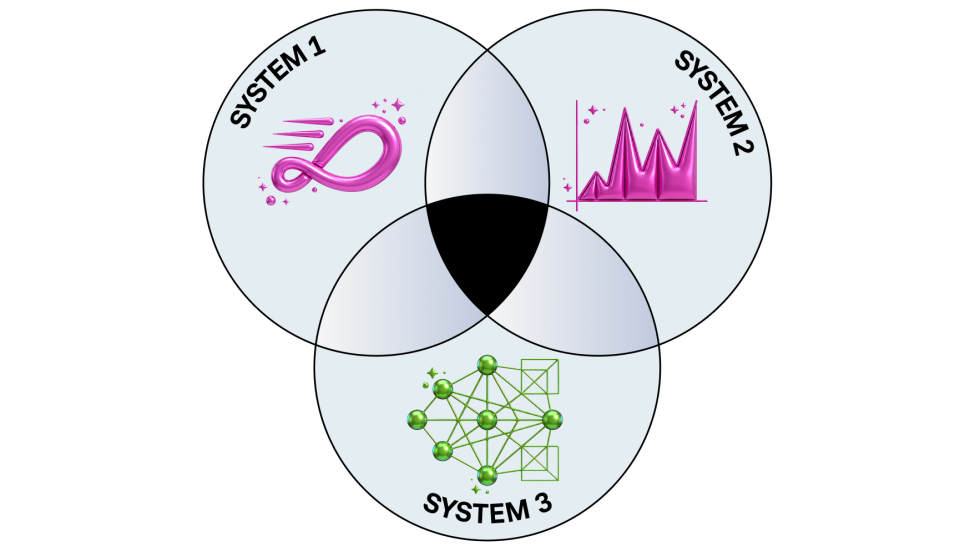
The age of system three is upon us. A quarter century after being gifted the handy labels of thinking systems one (fast, instinctive, efficient) and two (slow, deliberate, effortful), we have system three; AI at our fingertips that lets us perform system two tasks with the speed and efficiency of system one.
Whether we’re looking for offbeat holiday destinations, trail running shoes or the most cost efficient way to order McDonald’s, LLM tools like ChatGPT are letting us instantly gather, compare and parse far more data than we ever could have imagined.
The value these tools create for users is so obvious and so abundant that we’ve flocked to them at record speed. While technologies like crypto and the metaverse continue to struggle for anything vaguely resembling mainstream adoption, more than half of Australians are already turning to ChatGPT, Gemini and ‘AI mode’ for recommendations, creating a raft of new challenges and opportunities for brands.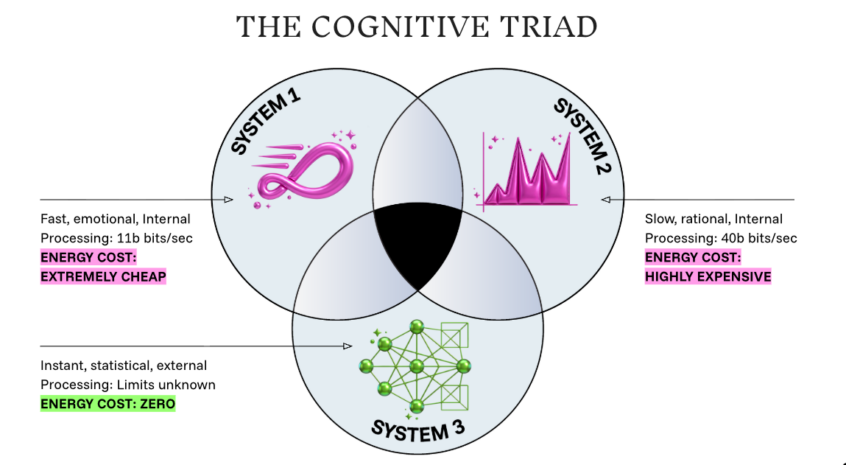
Out of synch, out of sight
We’ve been actively working with clients in this space for the last 18 months, helping them navigate the two defining risks of this new paradigm. The first is being ‘out of sight’; in other words, being completely invisible in AI responses and, as a result, missing out on customers they never even knew existed. This is especially relevant for smaller brands, regional players and those operating in noisy, crowded categories.
For larger brands, visibility is almost assured, but the risk is results that are ‘out of synch’. Here, AI surfaces data and content that’s either out of date or out of touch with how the brand wants to be perceived.
Fortune favours the early
As a now veteran of the digital environment, I’ve seen time and again how brands that move fast achieve hugely disproportionate returns. It was true for the brands that went first with search. It was true for the brands that went first with social. It was true for the brands that went first with mobile. And it’s true now.
While most organisations are still trying to get their heads around what it all means, we’re seeing clients who dive in accelerate up the learning curve, drive visibility and influence results at a time when foundations and training data are still being set. The longer others wait, the greater the head start these brands are able to build.
Fuel, Fluency, Fame
Navigating this shift requires a deliberate look at how algorithms parse reality. Through evaluating hundreds of parameters, we’ve broken down machine visibility into three fundamental pillars: Fuel, Fluency and Fame.
Fuel
Fuel encompasses what a brand says about itself across the channels it directly controls. Every page of website copy, every case study and every organic social media caption serves as the foundational data layer that these models ingest.
To thrive here, brands should look closely at how ‘grabbable’ their content is for a machine. This means moving away from thin, overly generic descriptions and instead focusing on structure, recency and distinctiveness.
Brands should consider building out comprehensive content hubs around their priority categories, ensuring headings are highly descriptive, as well as publishing clear, structured explanations of their proprietary products, tools, services or frameworks.
The goal is to make sure that the raw material available to the AI is rich, explicit, up-to-date and impossible to misinterpret.
Fluency
Fluency refers to how effortlessly an AI engine can access, crawl and interpret a brand’s digital ecosystem. A website can easily pass a traditional, human-centric SEO audit while completely failing to connect with a machine agent if its backend infrastructure is lagging. Slow loading speeds, for example, can cause automated crawlers to time out and abandon a site entirely. Often, 3 to 5 seconds is as long as they’ll wait.
To remove this friction, brands should look closely at how their technical architecture handles machine agents. Organisations should review how their content renders, specifically ensuring that key information isn’t hidden behind complex code that algorithms struggle to interact with or interpret.
The same is true for sites lacking proper schema markup. Robots may be able to access the content, but will have trouble working out what’s what.
Fame
Fame refers to what others say about a brand in places it doesn’t control. This content serves as a critical counterweight to Fuel, whereby external market signals and third party validation either confirm or contradict what a brand says about itself. Because LLMs operate heavily on statistical probability and trust signals, independent validation carries the highest weight when making recommendations.
Brands need to look at their broader digital surroundings, mapping how they are described across external sources like industry trade press, digital media, forum discussions, review sites and authoritative citations.
To shift the needle, organisations should consider strategies that keep their brand in active circulation. This could involve earning prominent standalone media mentions, seeding original research that others will cite, or creating real-world cultural moments that force the wider internet – and consequently, the training data – to talk about them.
The Measured Magic of Moving First
In our new reality, an automated system is evaluating and judging your brand long before a potential customer ever touches their keyboard. If you aren’t actively feeding the model high-quality Fuel, managing your site’s technical Fluency and actively curating your external Fame, you simply aren’t in the race.
In this system three world, authority that bots can back is the ultimate unfair advantage. The foundations of these models are being baked in right now, and as we’ve seen across every major technological shift of the last twenty-five years, fortune favours the early.